
Learn to Stay as Safely as You Can
Choosing to stay in an abusive relationship is a valid choice. Despite the horrors of an abusive relationship, sometimes people choose to stay with the person abusing them. Maybe you have children, no money of your own, nowhere safe to go, or a partner who has threatened what will happen if you leave. Maybe you still love them. Staying doesn’t mean you’ll be happy, but sometimes staying for now, or forever, seems like the only thing you can do.
You don’t owe anyone an explanation for that decision. You do deserve a plan. This page covers how to protect your body, your money, and your mind while you stay, and how to recognize when staying has become too dangerous.
What Can Happen If You Stay
- The abuse could turn physical. Not every verbally abusive partner becomes violent, but most people who were physically harmed say the abuse started with words.
- Physical abuse could cause a traumatic brain injury, paralysis, or another life-altering injury.
- Your partner could escalate the abuse until they kill you.
- Your partner could find many more ways to hurt you, such as taking out credit in your name, draining your accounts, cutting you off from friends, or using the children against you.
- The present cycle could go on indefinitely, never escalating but never stopping. Living that way wears down your mind and body. Depression, anxiety, and posttraumatic stress disorder are common results.
- Your partner could admit the problem and get help.
I hate to be the bearer of bad news, but the last option is the MOST UNLIKELY. People who abuse rarely seek help on their own. When they do, real change takes years of steady work. One apology after a bad night doesn’t count. Plan for the relationship you have, not the one you hope for.
Your Abuser Benefits from Abusing You
Remember: your partner benefits from abusing you. They get their way and live the life they want while you do everything in your power to “keep them happy” at your own expense.
Think about it this way: What if someone handed you $100 every time you picked your nose? No matter how gross you find it, would you do it when you wanted a Benjamin? I would.
Abuse pays off the same way. Every time your partner yells, belittles, or threatens, they collect a reward. You back down. You go quiet. They feel important and get their way. You aren’t handing out those rewards on purpose. You’re surviving. But the payoff is real, and it’s part of the reason why the behavior keeps coming back.
How likely is anyone to give up a reward like that?
This matters because it means nothing you do “right” will make the abuse stop. The perfect dinner, quiet kids, and carefully chosen words might buy you a calm evening, but they won’t change the math. So put your energy where it counts, which is protecting yourself.
Safety Planning While You Stay
A safety plan is for the life you’re living now, not only for the times you leave.
- Learn the warning signs. Most people living with abuse can feel tension building. Notice what comes before an explosion: drinking, money stress, a certain tone, a certain time of day.
- Know your safer spots. When an argument starts, move toward a room with an exit. Stay away from the kitchen, garage, bathroom, and anywhere with weapons or hard surfaces.
- Pick a code word. Choose a word or phrase that tells a trusted friend, relative, or older child to call 911 or come get you.
- Teach your children what to do. Help children who are old enough learn how to get out, where to go, and how to call 911. Their only job is to get safe. Protecting you isn’t their job.
- Keep a go-bag where your partner won’t find it. Pack copies of your IDs, some cash, medications, a phone charger, and important numbers written on paper. A friend’s house or your workplace may be safer than your home.
- Watch your devices. Your partner may be able to see your browser history, texts, email, location, and cloud backups. Research help on a device they can’t get into, and learn how to use private browsing and clear your history. No method is completely private.
Protecting Your Money and Records
Financial abuse often goes along with verbal abuse, and money is often what makes leaving possible later.
- Check your credit report. In the US, you can get free reports at AnnualCreditReport.com. Look for accounts you didn’t open.
- Consider a credit freeze. Freezes at Equifax, Experian, and TransUnion are free and block new credit in your name. Think first about whether your partner would notice and how they might react.
- Set money aside if you can do it safely. Try small amounts of cash, a cash card, or an account at a different bank with paperless statements sent to an email your partner doesn’t know about.
- Copy important documents. That includes birth certificates, Social Security cards, passports, your marriage certificate, deeds, titles, tax returns, and insurance policies. Store the copies outside your home.
- Keep a record of the abuse. Write down dates, what was said or done, any injuries, and who saw it. Keep it with someone you trust or somewhere your partner can’t reach, never on a shared device or shared cloud account. A log can help later when you talk with an advocate, doctor, or attorney.
Taking Care of Yourself Inside the Relationship
Abuse works by shrinking your world. Staying doesn’t mean you have to shrink with it.
- Keep at least one outside connection. It could be a friend, a sibling, a coworker, or a faith community. Someone who knows what’s going on and checks on you.
- Talk to an advocate without leaving. Domestic violence advocates help people who are staying, too. You don’t need a plan to leave before you call. An advocate can help you think through safety, legal questions, and options in your area.
- Hold on to your own version of events. Verbal abuse rewrites reality. Writing down what happened, even one sentence, helps you trust your memory when your partner insists it didn’t happen that way.
- Choose counseling carefully. Individual counseling can help. Couples counseling is generally not recommended when there is abuse, because what you say in a session can be used against you at home.
- Keep one thing that belongs to you. A walk, a class, a book, a hobby. Something your partner doesn’t control.
When Leaving Becomes Urgent
Leaving is often the most dangerous time in an abusive relationship, so plan it with an advocate whenever you can. But some warning signs mean the danger is already high and you need help now:
- Your partner has choked or strangled you, even once, even if it left no marks. Research has found that women who were strangled by a partner were far more likely to later be killed by that partner.
- Your partner has a gun or can get one, or has threatened you with any weapon.
- Your partner has threatened to kill you, your children, themselves, or your pets.
- The violence is getting worse or happening more often.
- Your partner follows you, tracks your phone, or shows up where you are.
- Your partner has forced or pressured you into sex.
- Your partner’s jealousy controls where you go and who you see.
- You recently separated or told your partner you want to leave.
If any of these are true, contact a domestic violence advocate as soon as you can. If you are in immediate danger, call 911.
In the US: National Domestic Violence Hotline, 1-800-799-7233, text START to 88788, or chat at thehotline.org. Free, confidential, 24/7.
Outside the US: Contact your local emergency number or a domestic violence service in your country.
Staying is your decision, and you can change it at any time. Whatever you decide today, keep your plan up to date, keep your people close, and keep your own record of what’s true.
Trust your memory, then plan with it
The Log helps you trust your own memory again; the Workbook helps you plan with it. Together they’re $19, about $3 less than buying separately.
Purchase “Incident Log and Safety Plan Workbook Bundle” $19.00Need the bundle to look like something else? Get the discreet version instead →
For More Information:
Featured Photo by Brooke Cagle on Unsplash
Recommended Books

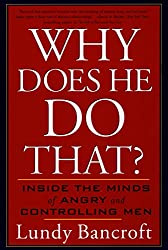
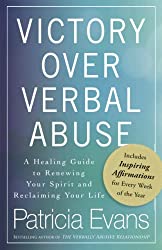
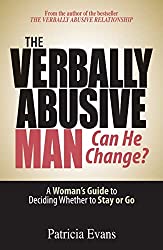

If you click these links to Amazon, I could receive a small commission from them that does not affect the price of the book.